14 humanitarian aid workers were reported yesterday as kidnapped in the area 100 km north east of Goma, although there are subsequently reports of their release. Given the location and proximity to the Rwandan border, the FDLR (a Hutu rebel group) is believed responsible. This area, south of Butembo, was once believed to be cleared of FDLR rebels but has become restive again.

Only recently, our primary travel and security concern was robbery. A recent message from James in Congo prior to this kidnapping news, however, was to advise us to not visit Beni or Butembo at all given the security risks. Our travel risk would likely involve the Ugandan Islamist group, the ADF.

The tragedy is that while the Congolese need help more than ever, the heightened security risks are undoubtedly keeping aid workers away when they are needed the most.

The DRC has banned a documentary about a Congolese doctor who aids rape victims, calling it a defamatory portrait of the country’s military. Thierry Michel’s The Man Who Mends Women tells the story of Dr. Denis Mukwege, a gynecologist who in 1999 opened a hospital in the DRC to treat women who were sexually assaulted during the country’s decades-long civil war. By some estimates, Mukwege’s efforts have saved over 40,000 lives. Last year, he was given Europe’s Sakharov Prize, awarded to those who dedicate their lives to human rights.

Dr. Mukwege responded with a press release:

It is with great regret that we were informed of the DRC broadcast ban of the documentary film by Thierry Michel and Colette Braeckman. We attended the first film in The Hague, Brussels, Paris, and we were anxious that our countrymen can see it in their country. This film was made for them. This film belongs to them. Censorship reveals the will of the government to deny the people Congolese its right of access to information. Its history and its right to memory collective and truth are denied it in order to better manipulate and control. Indeed, we live in the DR Congo in a climate of oppression, degradation of human rights situation and the shrinking space for fundamental freedom…

Today, it seems incomprehensible that the testimony of women and actors of civil society in this documentary film recounting the harsh reality experienced by tens of thousands of women over the last twenty years, but also their ability find the strength to live with dignity, can overly concerned authorities who took the decision to ban it. Jesus said: “You will know the truth and the truth shall make you free. “I bet that this prohibition measure is temporary, because the truth, even if it bothers some, has always meant to see the light.

Ducks for Orphans in Beni

Ducks for Orphans in Beni

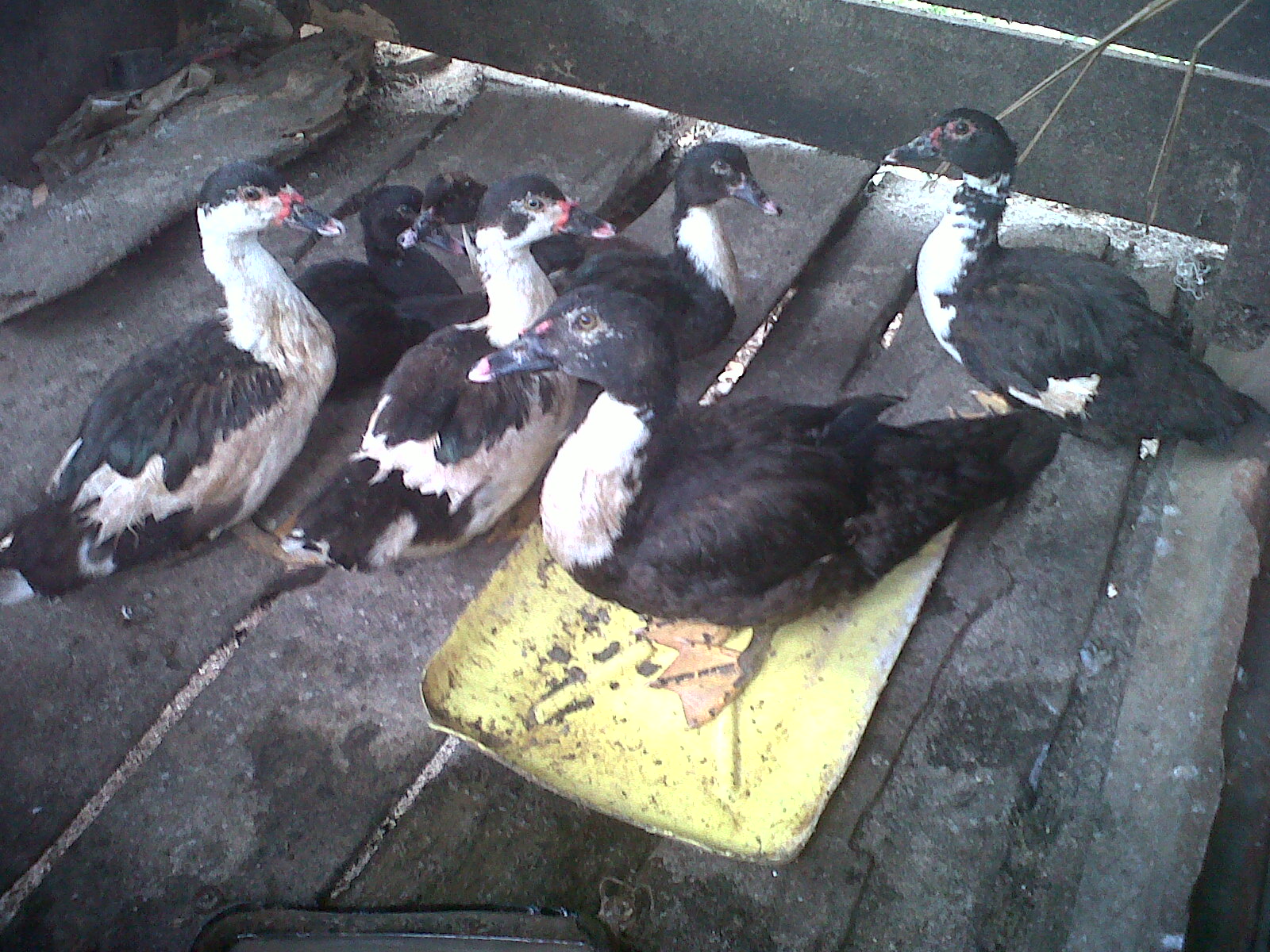
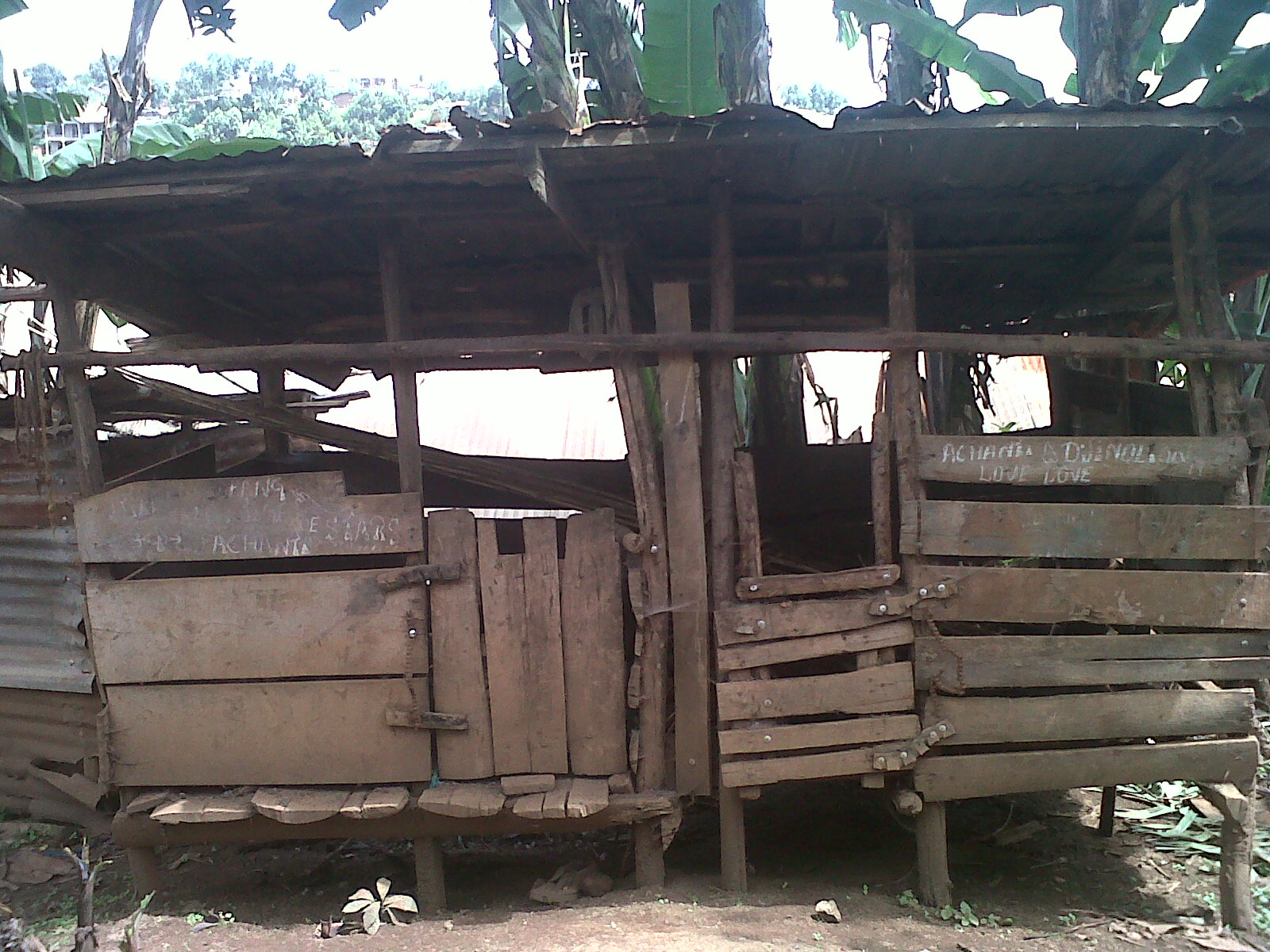
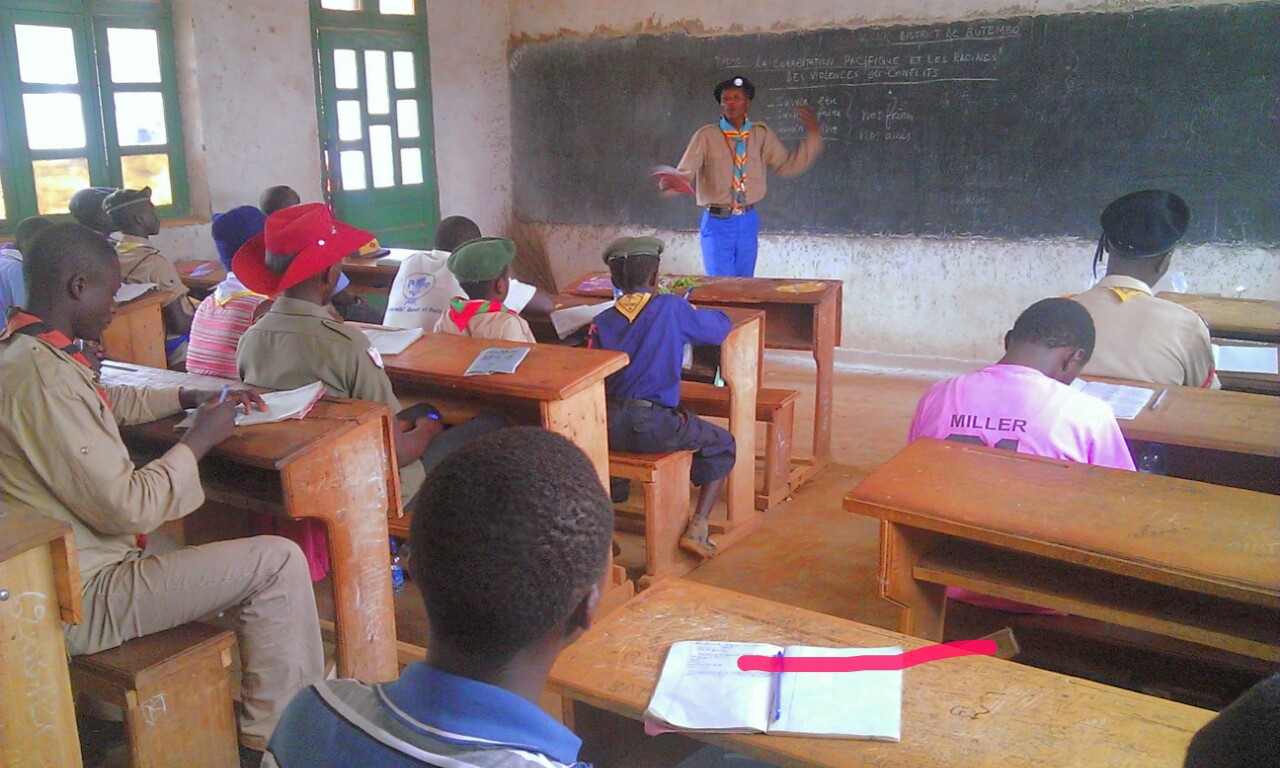
James Kataliko volunteers with the Beni Boy Scouts, EP des Scouts, that run school and humanitarian programs in Beni. This being Congo, it is remarkable what they can accomplish with so little. James and the Scout teachers collected enough money to buy several ducks and built a duck house. All of them are volunteers. They strike a balance between selling some ducks and their eggs for profit and providing a good source of protein to the orphans. The orphans supported by the Scouts tend to be malnourished or with other difficulties.

I continue to believe that these kinds of micro-projects are the most practical and effective way to support people in eastern Congo at this time. They need to have the means and methods to support themselves, not just hand outs.

Duck House - EP des Scouts project

Duck House – An EP des Scouts project

Scouts In Beni.  I love his tie in DRC colours!

Scouts In Beni. I love his tie in DRC colours!

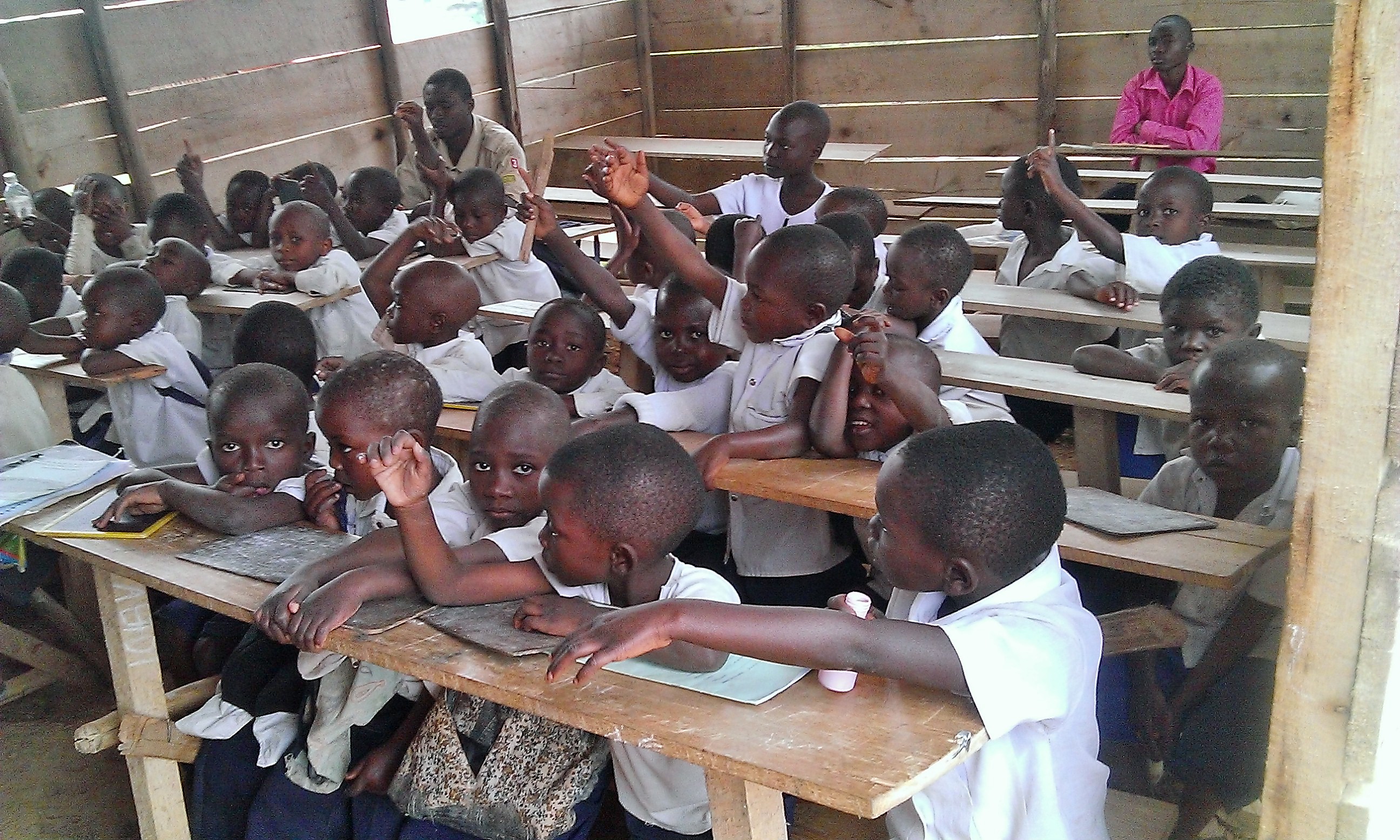
Younger Students at the School EP des Scouts

Younger students at the School EP des Scouts

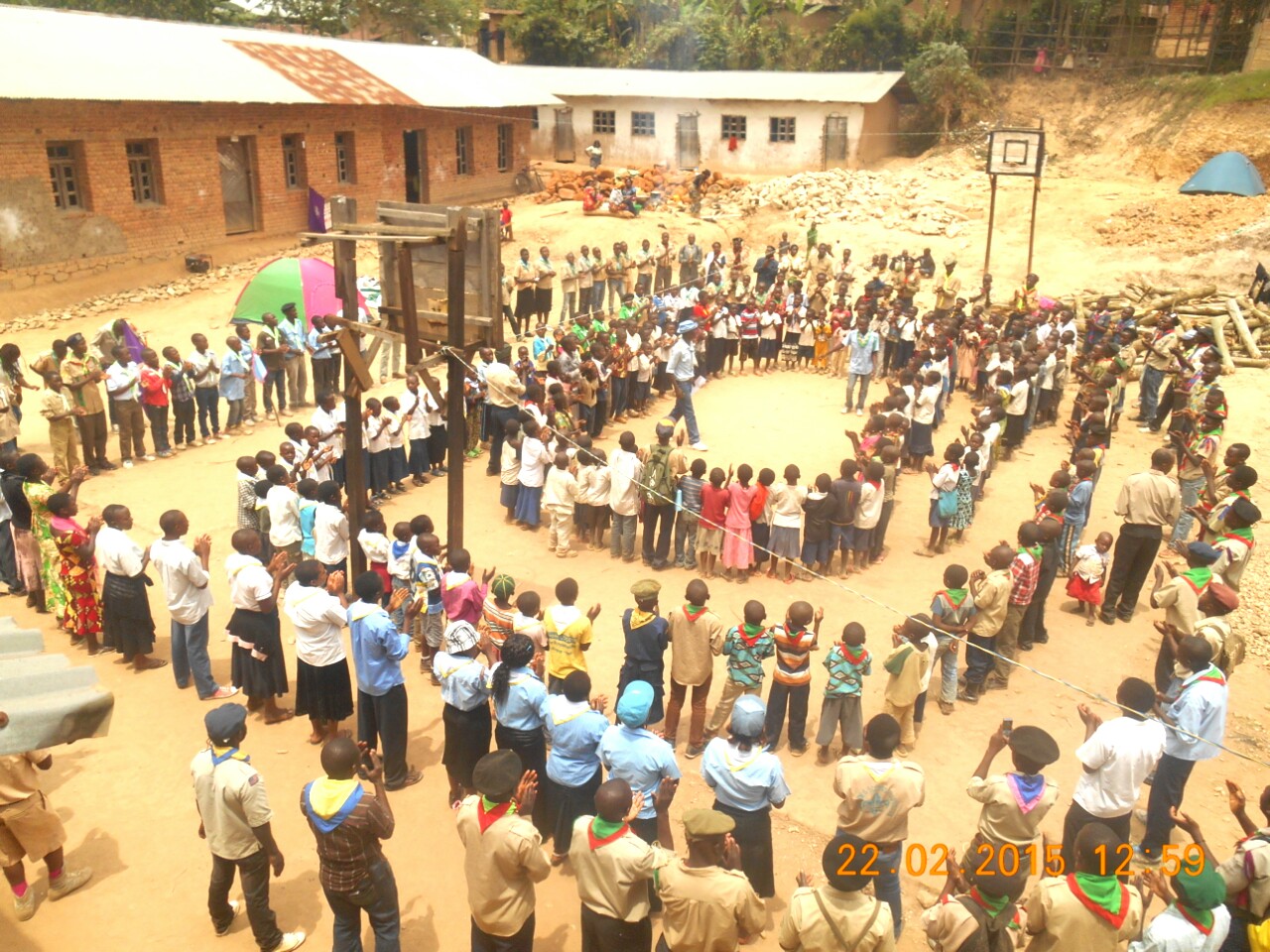
Scout School Assembly in Beni

Scout School Assembly in Beni

Locals have reported to me that three women were recently killed at Maimoya, 30 km from the Beni / Bunia road. Houses were burned and the market was attacked. The concern and fear is evident, along with a frustration that the situation is unresolved with no one doing anything about the ADF.

The ADF is comprised of Islamic rebels who were forced out of Uganda but are able to hide within the dense forests of Congo. They have become masters at evading Congo force while attacking locals in the Beni area.

I was sent the following videos which presumably depict the ADF in Congo and asked to publish them. Their source and content have not been verified.

There is significant unrest in Burundi. Opposition politicians have accused Burundi’s President Pierre Nkurunziza of violating the constitution by running for a third term and are boycotting the vote originally due on July 15, now postponed to July 21.

Dozens of people have already died in protests in the world’s third poorest country which emerged from civil war in 2005. Hundreds of thousands have fled to other states with a history of ethnic conflict including neighbouring Rwanda.

Lake Victoria Region

Lake Victoria Region

The significance to Congo is that the source of the violence is the decision to run for a third term. In Congo, President Kabila has yet to definitively confirm that he will not seek a third term. The silver lining of the Burundi violence may be a recognition by Kabila that he should not run again for the sake of the country. Unfortunately, Africa is full of examples of leadership which didn’t think that way.

News from eastern Congo has thankfully been relatively sparse. I say thankfully because news from Congo generally means bad news.

What follows is a good overview of the current situation in Congo from Strategy Page.
—————————————————————————————————————————————–
The UN, having tried everything else, finally authorized a special “combat brigade” of peacemakers in 2013 who were given a license to kill, and kill as often as needed to eliminate the last few rogue militias operating in the east. This appears to have solved many of the peacekeeping problems out there, but not the fact that Congo has returned to being a one party dictatorship based on corruption and exploiting ethnic divisions. Multiple tribal and political militias, plus an increasing number of bandits, continue to roam the eastern border area, perpetuating the bloodiest (and least reported) war of the 21st century (about six million dead). There is similar, but less intense unrest in other parts of the country (especially the separatist minded southwest).

The Congolese government finds it cannot (and to a certain extent, will not) cope with the continuing corruption and lack of order in the east and southwest. The reason is money, the millions of dollars available each year to whoever has gunmen controlling the mines that extract valuable ores and allow the stuff out of the country. Meanwhile UN peacekeepers in general continue to be criticized for not fighting more, but that’s not their job. Setting up a special brigade of peacemaker combat troops was not easy. But getting the Congolese army in shape for heavy combat is even more difficult, and the result may never be up to the standards of non-African forces.

This is especially true when the most effective army commanders are often accused of war crimes. The reality is that most rebels do not seek to overthrow the national government but rather remain in control of much of the border areas and the economic riches there. Meanwhile, the inept and corrupt government creates more anger than contentment, setting the stage for another civil war. The current president is preoccupied with his effort to change the constitution so he can legally become president-for-life via endless rigged elections.

The population is not eager for more violence, not after two decades of mayhem. But Congo remains mired in deadly chaos while much of the rest of the world gets organized and achieves a much better standard of living. Elsewhere in Central Africa the Burundi civil war threatens to reignite because the current president is trying to defy the constitution and become president-for-life. In the Central African Republic years of chaos (following the overthrow of a corrupt and incompetent dictator) has evolved into another Moslem versus Christian (and non-Moslems in general) conflict.

I have received a text message from James Kataliko asking for our prayers as he says 17 people have been killed by the Islamist ADF rebels in Mavivi near the Beni airport. The constant terrorist attacks are creating a serious environment of fear.

Today, the UN declared that the ADF have committed war crimes and crimes against humanity, thus escalating the seriousness of their actions and their potential punishment.

Update: The reported death toll has risen to 22 plus dozens injured.

James Kataliko has provided us with the following report:
———————–
Since we had opened the Kalondo Health post, we never had the chance to find the means to procure a microscope to facilitate laboratory testing of patients. It is thanks to the financial support of the couple Brenda – Michael Ben that we bought a new mono eye microscope with accessories and materials.

Mama Saasita with a Kalondo volunteer and James Kataliko

Mama Saasita with a Kalondo volunteer and James Kataliko

We have help from Mom Kahambu Saasita, Jean Bosco Katya, Laboratory Technician Mumbere Mulyata and James Kataliko. Our medical post has mattresses for sick beds, some special medicines, laboratory materials and inputs and now the microscope device.

One of the nurses in the health post has a laboratory experience but will take specialized courses with Mr. Mulyata each month, including teachings concerning the HIV algorithm, Malaria, Typhoid and others. We have disinfected and cleaned the sick beds and used insecticide in all rooms to purify the air.

Taking a sample for testing

Taking a sample for testing

On site we were pleased with the initiative of Kalondo villagers who make up the health co-operative who just started with a two bedroom plank construction building that could be used for the laboratory. This led us to realize that the need for a laboratory and a microscope was real.

Kalondo Supplies.  This Won't Last Long!

Kalondo Supplies. These won’t last long!

The local population has issued a message of thanks to Couple – Brenda and Michael Ben for this support and to say that their impact has been very positive. Directly we have made laboratory tests for 11 people and another six among patients following treatment. The 11 people each paid 950 fc which is $ 1.

We thank you warmly saying Asante Sana.

James Kataliko

The Congo army has reported the deaths of 16 ADF Islamist rebels along with 4 FARDC army soldiers after fierce fighting 40 km north of Beni near Kokola. This represents a significant portion of the remaining rebels who had originated in Uganda but were pushed west into Congo by the Ugandan army.

The ADF’s leader, Jamil Mukulu, was also reported arrested in Tanzania last week, but this has not been verified. According to a FARDC spokesman, the ADF had been significantly weakened by pressure from recent operations. He claims the ADF have been reduced to about 50 fighters operating in isolated clusters, well below a recent United Nations estimate of around 500 combatants. The ADF were blamed for a recent attack targeting a helicopter belonging to Congo’s U.N. peacekeeping mission, known as MONUSCO.

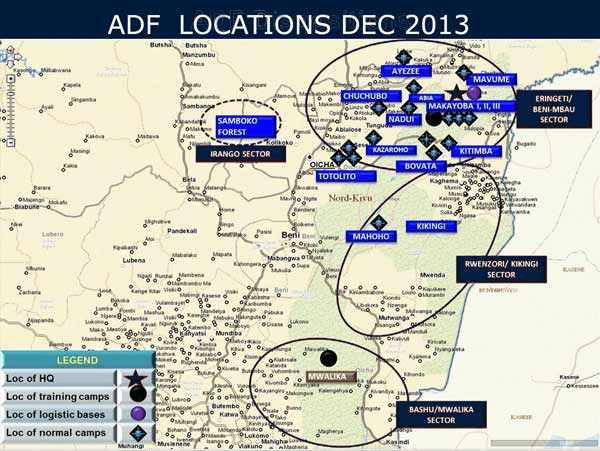
The proximity of this rebel group has been the largest impediment for our return visit as they have access to the road connecting Bunia and Beni. (Click to enlarge.)

ADF Locations

ADF Locations

The earlier reported massacre of civilians near Beni seems to still be shrouded in controversies over who committed the murders. The Congo army was engaged with nearby Mai Mai rebels at that time, so did the Mai Mai retaliate? There are even suggestions that MONUSCO has been arming the ADF, but that rumour is more likely the result of the wide spread local resentment toward the UN.

Update:
KINSHASA, May 5 (Reuters) – Two United Nations peacekeepers from Tanzania were killed, 13 wounded and four were missing in eastern Democratic Republic of Congo on Tuesday when their patrol was ambushed by suspected Ugandan Islamist rebels, the United Nations said.

The peacekeepers were attacked in the village of Kikiki, around 50 km (30 miles) north of the town of Beni in North Kivu province, Felix Basse, spokesman for the mission known as MONUSCO, told Reuters

Hutu FLDR rebels on Monday killed ten Congolese soldiers in what must be a major demoralizing setback for the Congo army. Two colonels were reportedly among the dead. The successful rebel ambush attack took place in the Masisi region of North Kivu province which is north of Goma and near Virgunga National Park.

With the UN unwilling or unable to assist the Congo army, there have been concerns over the Congo army’s capabilities of displacing the rebels. While the army has been reporting the capture of multiple former rebel strongholds, the rebels have clearly been successful in melting away into the jungles whenever attacked and remain a force to be reckoned with.

Enter your email address to follow this blog and receive notifications of new posts by email.

Join 66 other subscribers

Archives

Prior Posts